
Search engine optimization is a structured process that improves website visibility in organic search results. Search engines such as Google and Bing use algorithms with more than 200 ranking factors. These factors evaluate content quality, page speed, backlinks, and user behavior signals. This guide imdadul explains how to do seo on your own using proven methods, measurable metrics, and clear steps.
Understand How Search Engines Rank Pages
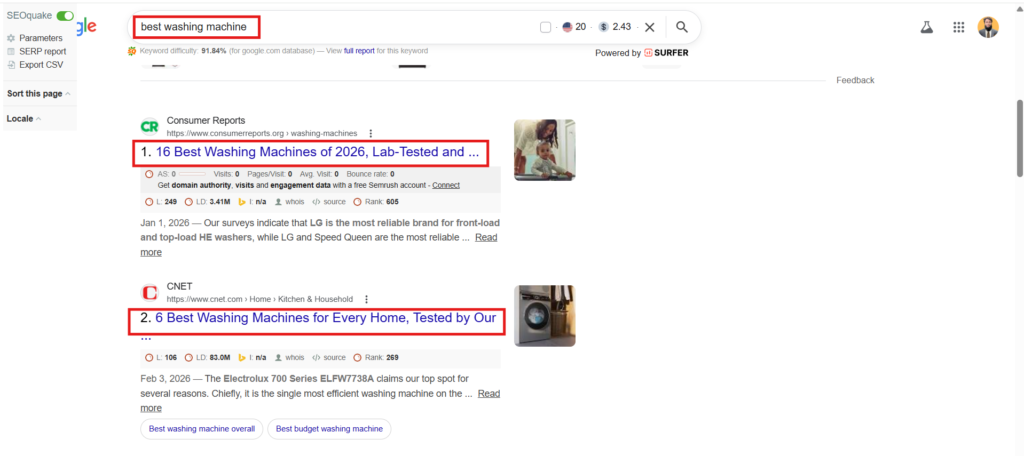
Search engines crawl pages using bots. They index content and rank it based on relevance and authority. Crawling requires accessible URLs. Indexing requires readable HTML text. Ranking depends on signals such as keyword relevance, page experience, and domain trust. Learning these basics is the first step in how to do seo on your own effectively.
Perform Keyword Research With Data
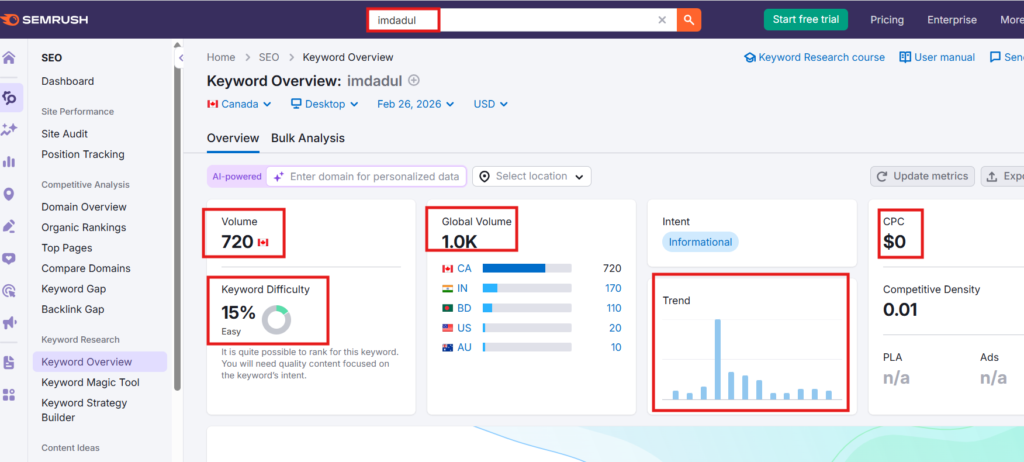
Keyword research identifies search terms users type. Tools such as Ahrefs, SEMrush, and Moz provide metrics like search volume, keyword difficulty, and click-through rate. Select keywords with moderate difficulty and clear search intent. A keyword with 1,000 monthly searches and difficulty below 40 is often suitable for new sites.
Optimize Titles and Meta Descriptions
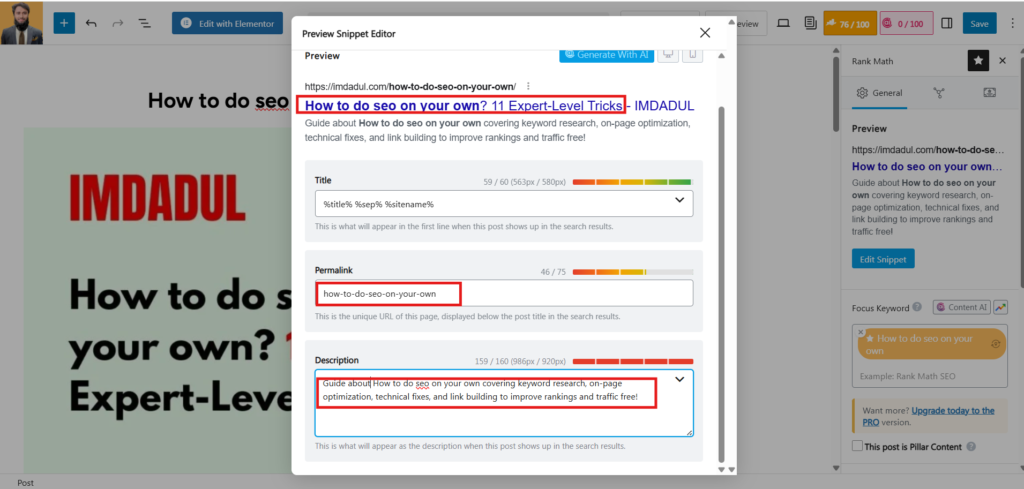
Title tags should contain the main keyword and stay within 50 to 60 characters. Meta descriptions should remain under 160 characters. Both elements influence click-through rate. Each page must have a unique title and description. This structure helps search engines understand page relevance.
Create Structured High-Quality Content

Content must match search intent. Informational queries need guides. Transactional queries need product pages. Articles with 1,500 to 2,500 words often rank well for competitive terms because they cover topics in depth. Use short paragraphs and clear headings. This method supports readers and improves ranking signals.
Improve Technical SEO Performance
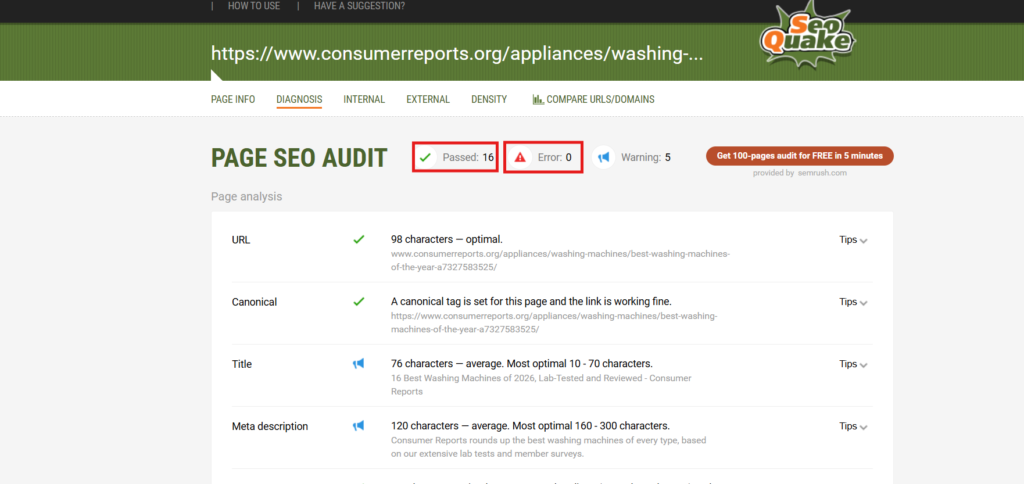
Technical SEO ensures search engines can access pages. Page load time should remain under 2.5 seconds. Core Web Vitals metrics include Largest Contentful Paint, First Input Delay, and Cumulative Layout Shift. Compress images, enable caching, and use clean code. These actions support anyone learning how to do seo on your own without developer support.
Build High-Quality Backlinks
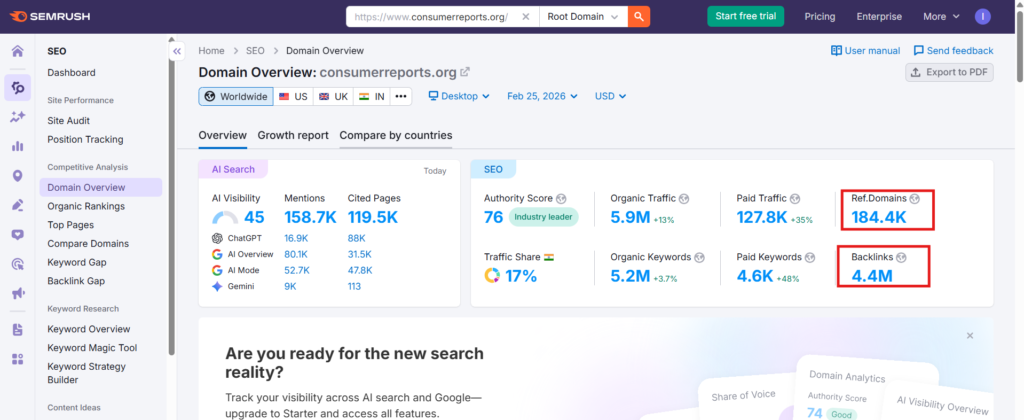
Backlinks act as authority signals. Pages with more quality links often rank higher. One backlink from a high-authority domain can be stronger than 50 low-quality links. Focus on links from relevant sites in the same industry. Guest posting, research reports, and original statistics can attract natural links.
Optimize for Mobile and User Experience
More than 60 percent of global web traffic comes from mobile devices. Responsive design ensures pages adapt to all screen sizes. Navigation must remain simple. Font size should be at least 16 pixels. These factors reduce bounce rate and increase time on page, which are engagement signals.
Use Structured Data Markup
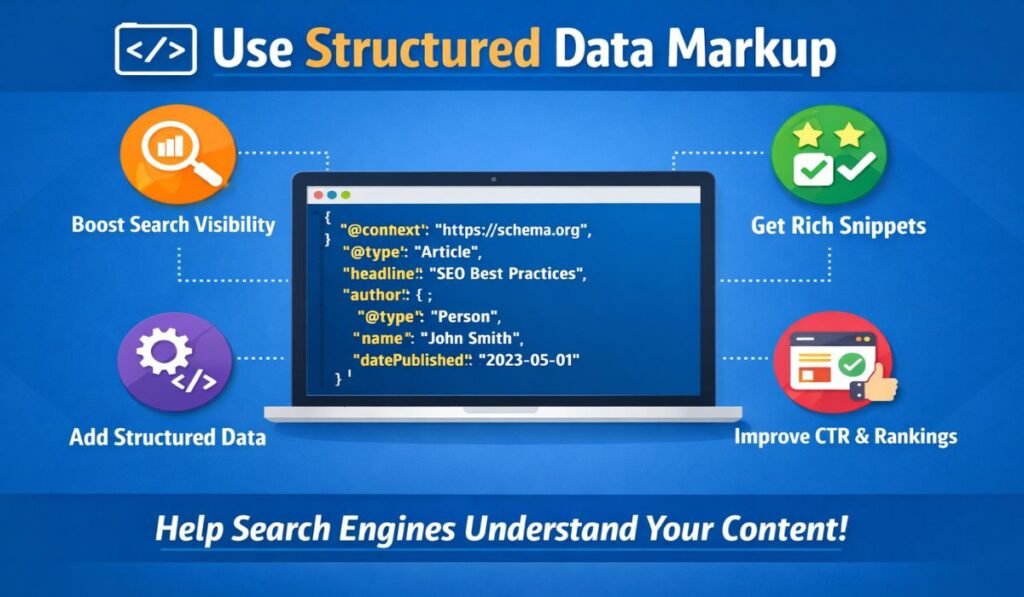
Structured data helps search engines interpret page content. Schema markup can display rich results such as star ratings, FAQs, and product prices. Rich results increase visibility and click-through rate. JSON-LD is the recommended format for structured data implementation.
Track Performance With Analytics

SEO requires measurement. Track impressions, clicks, ranking position, and traffic sources. Compare monthly data to identify growth trends. A 10 percent increase in organic traffic per month indicates positive optimization results. Monitoring metrics is essential in mastering how to do seo on your own.
Update Content Regularly

Search engines prefer fresh and accurate content. Updating statistics, adding new sections, and improving clarity can increase rankings. Pages updated every 6 to 12 months often maintain stable positions in search results.
Maintain Internal Linking
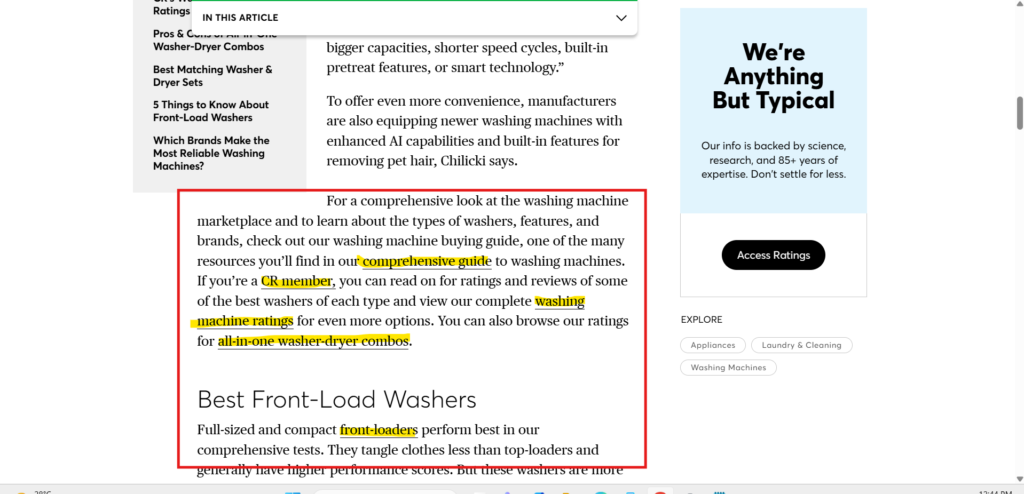
Internal links connect related pages. They distribute authority across the site and help crawlers discover new pages. Use descriptive anchor text. Limit links to relevant pages only. A structured internal linking system improves indexing efficiency.
FAQ
What is the fastest way to learn how to do seo on your own?
Study search engine guidelines, practice keyword research, and analyze ranking pages. Practical testing provides measurable results.
How long does SEO take to show results?
Most websites see ranking improvements within 3 to 6 months. Competitive niches may require 6 to 12 months.
Can beginners handle SEO without tools?
Yes. Basic optimization such as keyword placement, title tags, and internal links can be done manually. Tools mainly speed up analysis.
How many keywords should one page target?
One primary keyword and 2 to 5 related keywords is a common structure. This keeps content focused and relevant.
Conclusion
Learning how to do seo on your own requires understanding search engine systems, keyword data, technical performance, and content relevance. Each improvement sends clear signals to search algorithms. Consistent optimization, data tracking, and updates lead to measurable growth in visibility and traffic. A structured approach ensures long-term ranking stability and sustainable organic reach.