
Intro
Search engine optimization uses measurable data. Websites need clear metrics to evaluate growth, rankings, and user actions. Many site owners ask, “What is a seo tracker and why is it important?” An SEO tracker is a software system that records search performance data across keywords, pages, and technical signals. It collects measurable values such as rankings, clicks, impressions, and loading time. These values help evaluate whether optimization tasks improve visibility on search engines.
Modern tracking tools connect with platforms such as Google Analytics and Google Search Console. These integrations provide verified search data directly from search engine databases. Accurate measurement supports data-driven decisions and reduces guesswork.
What is an SEO Tracker?
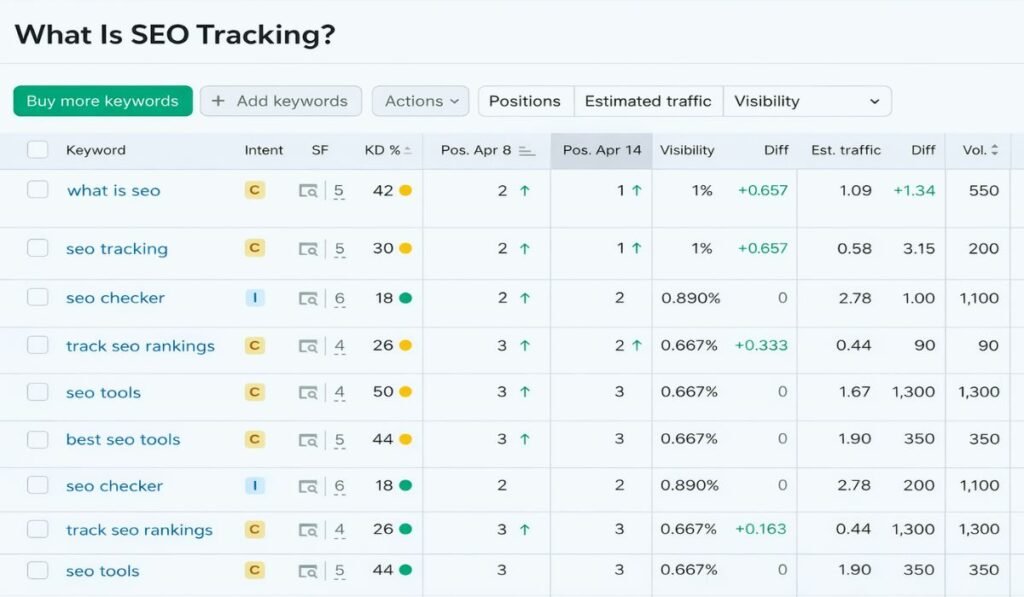
What is a seo tracker in technical terms. It is a monitoring system that scans search engine result pages, records ranking positions, and stores performance metrics over time. Most trackers update data every 24 hours. Some enterprise systems update every 1 hour. The main function is performance monitoring. The system compares past and current values to detect growth or decline.
SEO trackers can be cloud-based or desktop-based. Cloud systems store data on remote servers and allow multi-device access. Desktop systems store data locally and depend on manual updates. Professional platforms such as Ahrefs and SEMrush provide automated tracking, competitor analysis, and historical trend charts.
Understanding What is a seo tracker helps businesses measure results using numeric indicators instead of assumptions.
1. Keyword Ranking
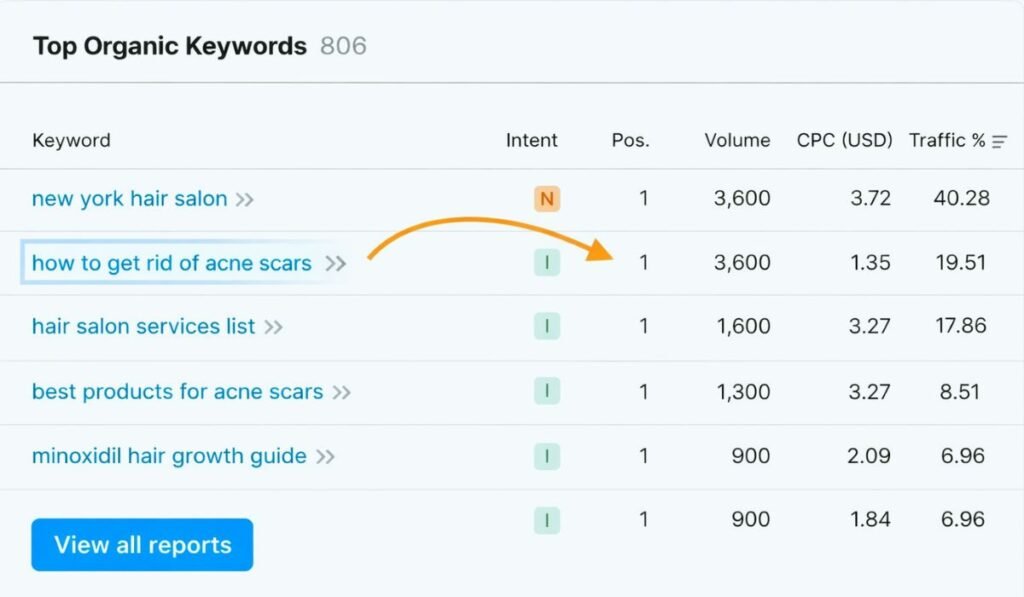
Keyword position shows where a page appears in search results for a specific query. Rankings range from position 1 to position 100 or more. Studies show that results in positions 1 to 3 receive more than 50 percent of total clicks. Trackers record daily ranking movement. A change from position 18 to position 9 indicates improved visibility.
2. Website Traffic
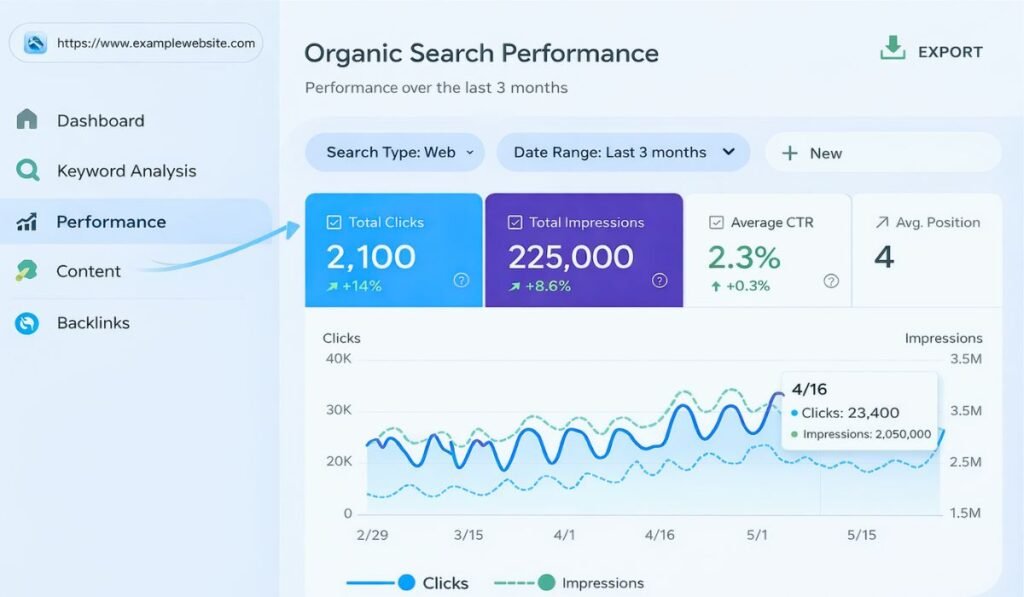
Traffic measures the number of users visiting a site. Organic traffic counts visitors from unpaid search results. Trackers record sessions, users, and pageviews. For example, an increase from 2,000 to 3,500 monthly organic visits equals a 75 percent growth. Traffic data confirms whether ranking improvements lead to real visitors.
3. Website Visibility
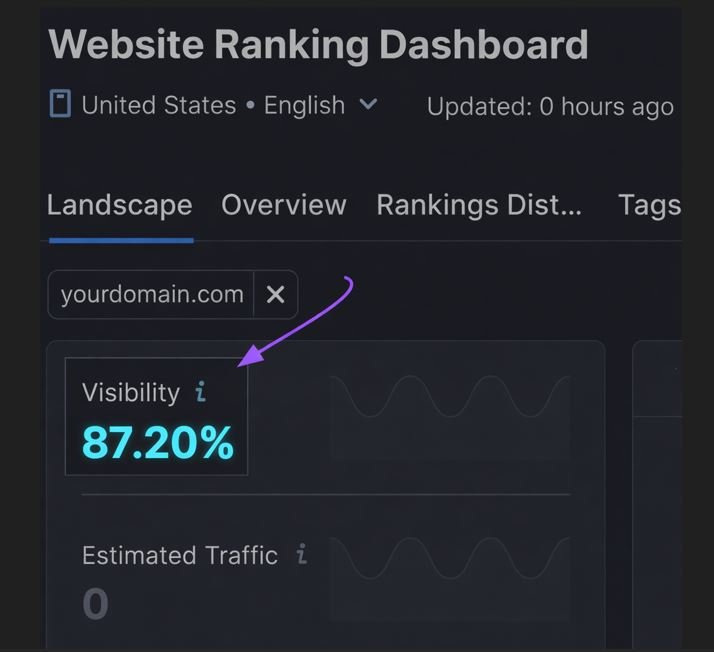
Visibility is a percentage score that estimates how often a site appears in search results. The score is calculated using keyword positions and search volume. A visibility score rising from 12 percent to 20 percent shows broader search presence. This metric reflects overall SEO reach rather than single keyword success.
4. Organic Impressions
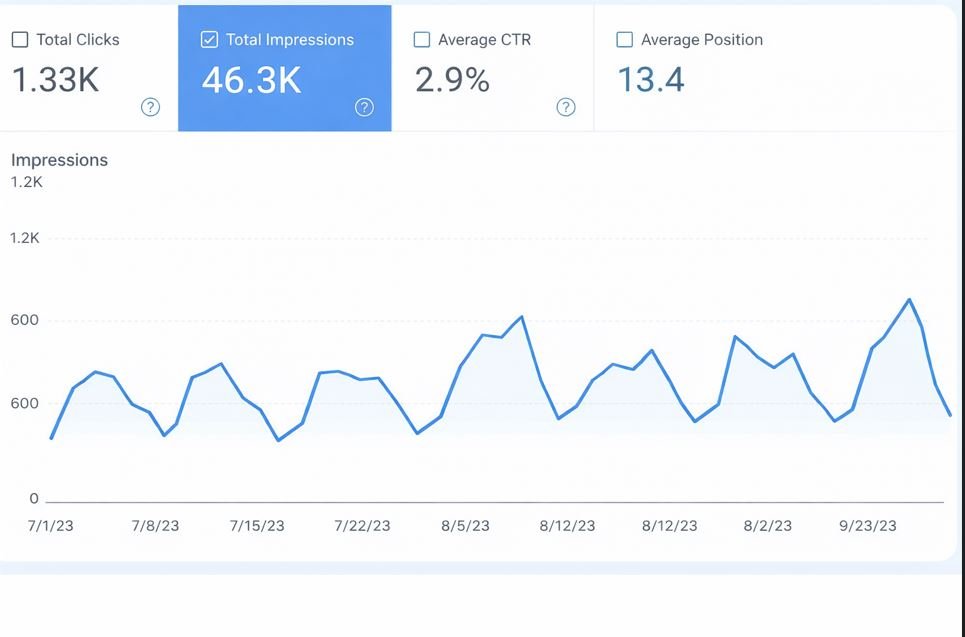
Impressions count how many times a page appears in search results. A page may receive 10,000 impressions but only 500 clicks. This indicates visibility without strong click appeal. Tracking impressions helps identify pages that need better titles or meta descriptions.
5. Organic Conversions
Conversions measure completed goals from organic visitors. Goals may include form submissions, purchases, or downloads. Conversion rate equals conversions divided by total visitors. If 50 users convert out of 1,000 visitors, the rate equals 5 percent. SEO trackers link conversion data with keyword sources to identify high-value queries.
6. Organic Engagement
Engagement metrics include bounce rate, average session duration, and pages per session. A bounce rate above 70 percent may signal poor relevance or slow loading. A session duration above 2 minutes indicates stronger user interest. Engagement values show whether visitors find content useful after arriving.
7. SEO Backlinks
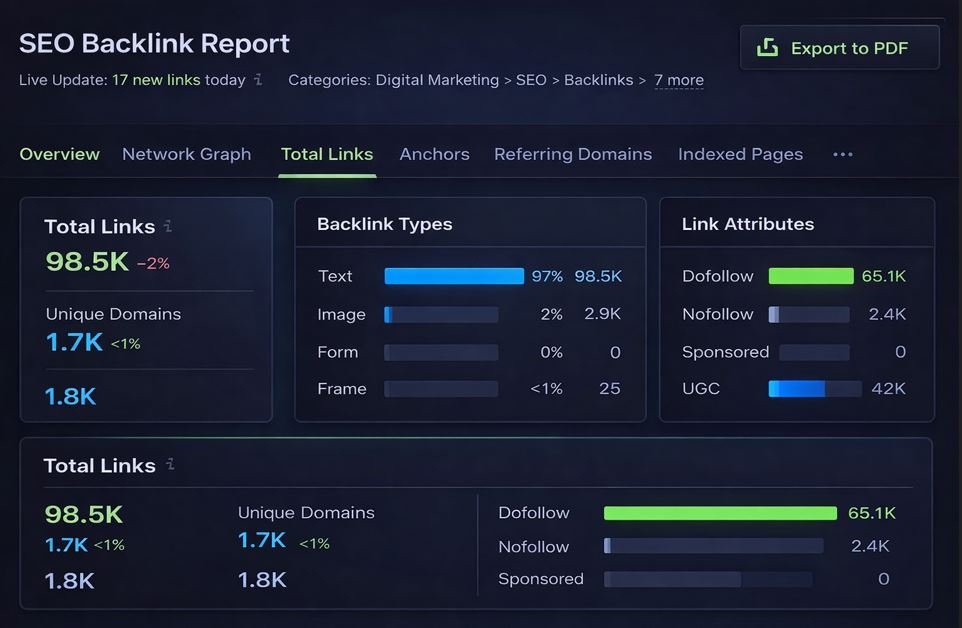
Backlinks are links from external websites pointing to a page. Search engines treat backlinks as ranking signals. Trackers count total backlinks, referring domains, and link growth rate. For example, growth from 120 to 300 referring domains within 6 months indicates rising authority. Systems also detect lost links and new links daily.
8. Website Health
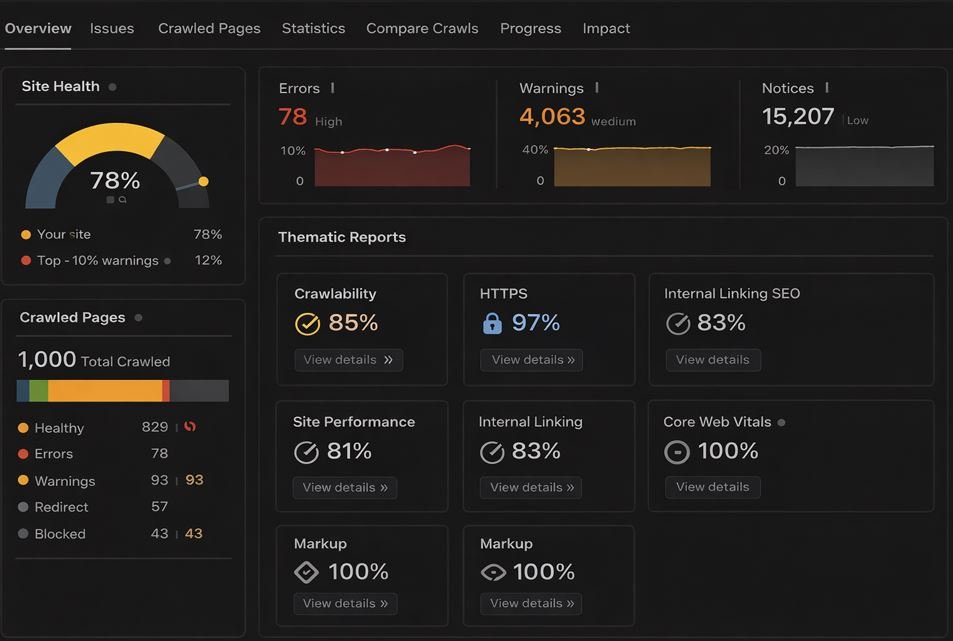
Website health measures technical performance. It includes crawl errors, broken links, duplicate content, and indexing status. Trackers run automated audits and assign a health score from 0 to 100. A score above 90 means minimal technical issues. Regular monitoring prevents ranking loss caused by technical faults.
9. SEO Performance
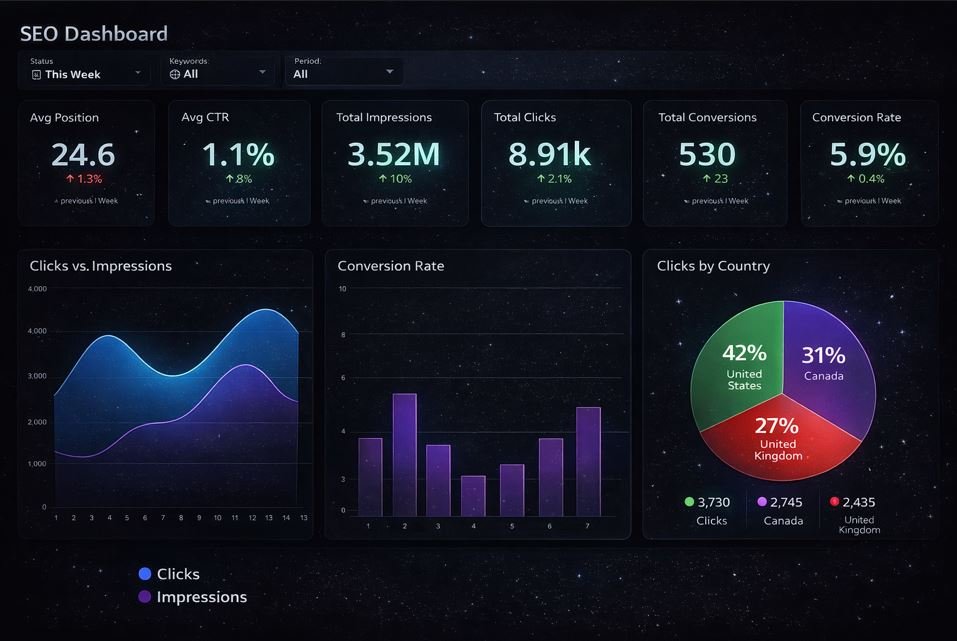
SEO performance combines multiple metrics into a single evaluation. It includes ranking trends, traffic growth, click-through rate, and conversion values. Analysts compare monthly data to calculate growth percentage. For instance, traffic growth of 40 percent and conversion growth of 25 percent indicates measurable optimization impact.
Understanding What is a seo tracker allows marketers to interpret these combined signals correctly and identify which actions produce measurable change.
10. Website Speed
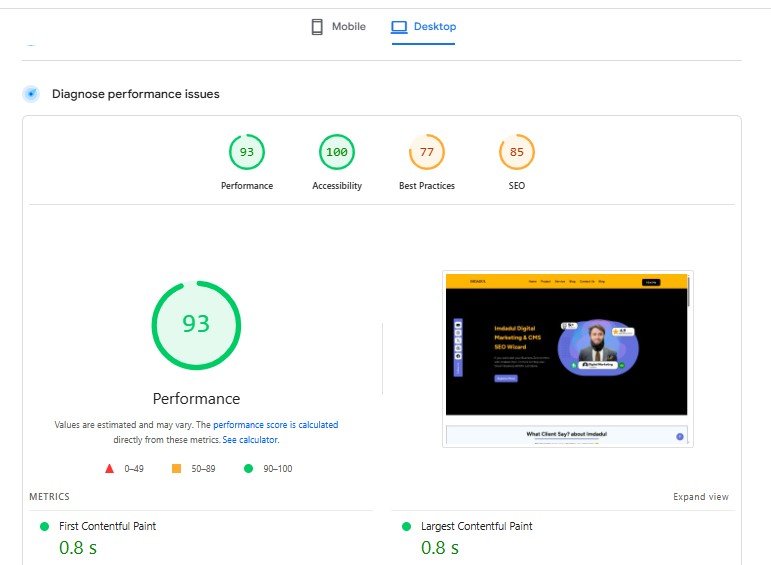
Speed is a confirmed ranking factor. Page load time is measured in seconds. Research shows that pages loading within 2 seconds have lower bounce rates than pages loading in 5 seconds. Trackers record load speed for desktop and mobile devices. They also measure Core Web Vitals metrics such as Largest Contentful Paint and Cumulative Layout Shift.
FAQ
What is a seo tracker used for?
It monitors search performance data such as rankings, clicks, impressions, and technical health. Businesses use it to measure optimization results using numeric values.
How often should SEO metrics be tracked
Most platforms update data every 24 hours. High-frequency systems update hourly. Daily tracking is standard for accurate trend analysis.
Are SEO trackers accurate
Accuracy depends on data source. Tools connected to search engine databases provide verified values. Independent crawlers estimate rankings using automated scans.
Is a tracker required for small websites
Yes. Even sites with fewer than 50 pages need measurement tools to monitor ranking changes and technical errors.
Conclusion
What is a seo tracker can be defined as a data monitoring system that measures search performance using verified metrics. It records rankings, traffic, impressions, conversions, backlinks, and speed values. These metrics provide measurable evidence of optimization progress. Businesses that track these indicators can identify growth trends, detect technical problems, and evaluate keyword results using numeric data. Continuous measurement ensures that search performance decisions rely on recorded evidence rather than assumptions.